
In Part 1, we explored what distress is, why emotional pain can feel so overwhelming, and how Dialectical Behaviour Therapy (DBT) teaches us to balance acceptance and change.
We learned that distress is a normal part of being human. Difficult emotions are not a sign that we are failing or that something is wrong with us. Many of us feel things intensely. However, when we respond to distress in ways that increase suffering—such as avoidance, impulsive reactions, angry explosions, self-harm or harsh self-criticism—we can become trapped in painful cycles.
Distress tolerance is the ability to experience difficult emotions without worsening the situation with unhealthy behaviours/reactions. It helps us create space between what we feel and how we respond.
Think of distress tolerance skills as tools in a toolbox. We do not use every tool every time, but having different options available helps us face difficult moments with greater wisdom, compassion, and hope.
When emotions feel overwhelming, our first goal is not to push the pain away but to calm our body and attend to ourselves with compassion and care.
Here are seven practical distress tolerance skills you can begin practising.
- Mindful Breathing
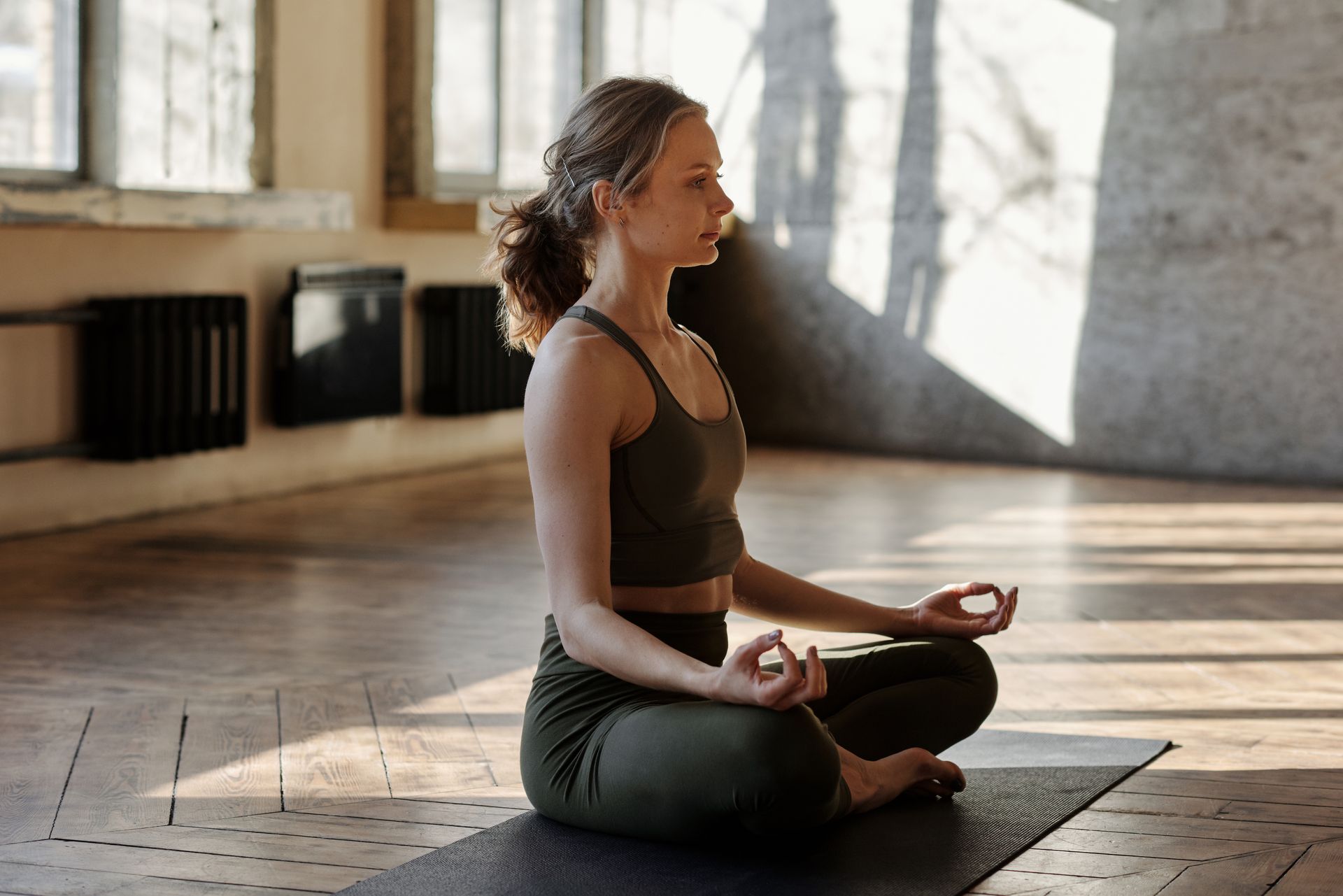
When we are distressed, our breathing often becomes quick and shallow. Bringing attention back to our breath can help calm our nervous system and bring us back into the present moment.
Find a comfortable position and gently turn your focus to your breathing.
Notice:
- The sensation of air entering and leaving your nostrils
- The rise and fall of your chest
- Your abdomen expanding and relaxing
- The feeling of being present in this moment
You do not need to force yourself to feel calm. Simply notice your breath.
When your mind wanders, gently return your attention without judgment.
Even a few minutes of mindful breathing can create enough space to respond thoughtfully rather than react emotionally.
- Create a Safe Place Visualisation

When life feels chaotic, it can be helpful to create an internal place of safety and calm.
Close your eyes and imagine a place where you feel peaceful and secure.
Perhaps it is:
- A quiet beach with gentle waves
- A peaceful forest
- A favourite childhood place
- A beautiful garden
- Sitting somewhere that reminds you of God’s presence
Begin noticing the details.
- What can you see?
- What sounds surround you?
- What does the air feel like?
- Are there smells you notice?
- What sensations do you experience in your body?
Engaging your senses helps your brain connect with feelings of safety and calm.
You can return to this place whenever emotions become intense. Over time, this visualisation can become a familiar grounding exercise to help you access a sense of safety even during ambiguous or difficult experiences.
- Practise Self-Affirming Statements
Many people speak to themselves during distress in ways they would never speak to someone they love.
When we are struggling, we may tell ourselves:
“I should be coping better.”
“I am not strong enough.”
“Something is wrong with me.”
Distress tolerance involves learning to respond to ourselves with compassion rather than criticism.
Self-affirming statements are prepared in advance to remind us of our truths, grace, and inherent worth when our mind/body gets hijacked by a trigger or overwhelm.
You might practise statements such as:
- “I radically accept who I am—all that I am, flaws and all.”
- “God loves every part of me, including the parts I find difficult.”
- “Each day I do the best I can with what I know.”
- “My worth is not determined by my struggles.”
- “There is purpose in my life, even when I cannot see it clearly right now.”
- “I am a sensitive person who experiences the world deeply, and that is part of who I am.”
- “God is with me, strengthens me, and goes before me.”
Write down statements that feel meaningful to you and keep them somewhere accessible. During moments of distress, it can be difficult to generate compassionate thoughts from scratch, so having prepared reminders ahead of time can be incredibly helpful.
- Use Cold Temperatures to Calm the Body
DBT includes a powerful distress tolerance skill based on the body’s natural diving reflex.
When your face is exposed to cold temperatures, your body can activate a calming response that helps slow your heart rate and reduce emotional intensity.
You can try:
- Placing a cold, wet cloth on your face.
- Splashing cool water on your face.
- Holding a cold pack or chilled item in your hands.
This can be particularly useful during moments of intense anxiety, panic, anger, or emotional overwhelm.
This skill is not about avoiding your emotions. Instead, it helps your body become calm enough for you to process those emotions safely.
- Move Your Body with HIIT
Strong emotions create physical energy in our bodies.
Sometimes our bodies need a healthy way to release this built-up stress.
High-Intensity Interval Training (HIIT) involves short bursts of vigorous exercise (2 minutes), followed by slower-paced intervals (2 minutes), then repeating the cycle for about 10-20 minutes. You do not need to be highly athletic to benefit from movement.
Examples include:
- Fast walking then slow walking
- Sprinting, then jogging or walking
- Star jumps, then walking on the spot
- Cycling fast, then slow
- Climbing stairs, then walking down stairs
Even a few minutes of fast then slow movement can help regulate stress hormones, improve mood, and clear mental fog.
The goal is not fitness or performance. The goal is to help your body complete the stress response cycle so you can return to a calmer state.
- Do Something Creative

Creativity can be a powerful way to express emotions without needing to find the “right” words.
When we create, we shift from analysing and overthinking to experiencing the present moment, releasing and often re-storying our experiences.
Try:
- Splashing paint onto paper
- Drawing, doodling or simply “Making Marks”
- Playing with clay – squishing, pulling, rolling, shaping
- Writing in a journal,
- Composing a poem or song
- Dancing to music or simply moving your body mindfully & intuitively
- Gardening: pulling weeds, raking, digging, pruning, planting
- Cooking or baking
Do not worry about making something beautiful.
Do not judge the outcome.
The purpose is not perfection. The purpose is in the freedom of expression.
- Bringing Your Emotions to Jesus: A Christian Mindfulness Exercise
Mindfulness is the practice of paying attention to the present moment with openness and without judgment. For Christians, mindfulness can become an opportunity to become more aware of God’s presence, comfort, and love through active contemplation.
You may like to record yourself reading this on your phone and play it back when you need it..
Find a quiet place and take a few slow breaths.
Imagine yourself walking along a peaceful path beside a beautiful, gentle stream of water. The surroundings are calm, green and lush. The water flows quietly. You feel safe.
As you approach the stream, imagine Jesus meeting you there.
He beckons you to come and sit with Him.
Notice His compassion.
Notice His kindness.
There is no shame or condemnation in His presence—only love, understanding, and grace.
Take a moment to notice what you are carrying.
Perhaps it is anxiety.
Fear.
Sadness.
Disappointment.
Anger.
Shame.
Uncertainty.
Perhaps you notice difficult thoughts or physical sensations — such as critical or punitive thoughts, harsh or demanding thoughts, maybe a tight chest, tiredness, heaviness, or tension.
One by one, imagine placing each burden into Jesus’ hands.
You do not need to explain everything.
You do not need to have the perfect words.
Simply offer it all to Him – one by one – hand it all over
Imagine Jesus receiving each painful emotion, thought, and sensation with love. Allow yourself to experience His comfort and reassurance.
You may be reminded of Jesus’ invitation:
“Come to me, all you who are weary and burdened, and I will give you rest.”
(Matthew 11:28)
Allow yourself to sit with Jesus beside these still waters, unburdened, held and loved for however long feels right for you.
Your circumstances may not change immediately, but you can find comfort in knowing you do not carry them alone.
Growing Through Distress
Learning distress tolerance skills helps us become more resilient in facing life’s difficult and painful challenges.
We learn:
- To relax our bodies and pause, respond rather than react.
- To care for ourselves with compassion.
- To accept what we cannot control.
- To take wise action aligned with our values when we can.
- To trust God and access His comfort and presence through all the uncertainties, traumas, pain and trials of this life.
Emotional storms are unavoidable, but we do not have to make things worse by meeting them with unhelpful coping styles and behaviours. This only adds to our suffering.
Like waves in the ocean, emotions rise and fall. We may not always be able to stop the waves, but we can learn how to ride them with greater wisdom, courage, and faith.
When You Need Extra Support
If your behaviours and coping strategies for emotional distress are causing harm to you and/or others, and you are struggling to get a handle on things, then counselling may help. Counselling can provide a safe space to explore the deeper causes of your repeated distress, develop healthier coping strategies, and receive compassionate care as you heal and grow.
You do not have to walk through difficult seasons alone.
God’s presence remains constant, even in the storms.
As the Apostle Paul reminds us:
“My grace is sufficient for you, for my power is made perfect in weakness.”
(2 Corinthians 12:9)
From my heart to yours..