In our fast-paced, often overwhelming world, many adults find themselves carrying heavy burdens — grief, anxiety, unresolved trauma, or the quiet exhaustion that comes with simply holding too much for too long. While traditional talk therapy can be immensely helpful, it isn’t the only type of support or path toward healing. For some, words can feel too limiting, too hard or just not enough to capture what they are feeling and experiencing. This is where Expressive Arts Therapy, or art therapy, can offer something profoundly different — a space where healing begins not with words, but with colours, textures, shapes, and creative flow.
A Holistic Approach to Healing
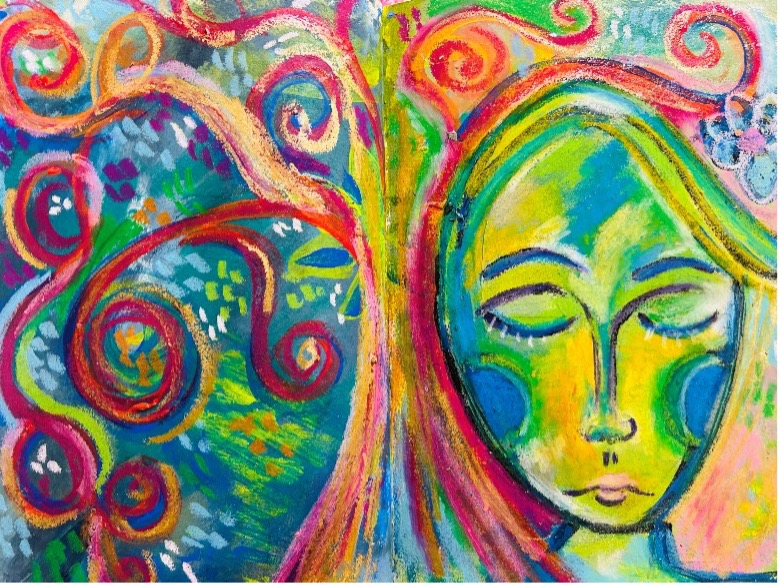
Expressive Arts Therapy is a holistic form of counselling that invites creative expression as a tool for self-discovery, relaxation, mindfulness, emotional release, and nervous system regulation. Through artistic exploration, individuals can connect more deeply with themselves, making sense of feelings that may have been too complex or overwhelming to articulate.
Importantly, art therapy isn’t about creating something “beautiful” or “skilled.” It is not about artistic ability or the final product. Instead, the focus is on the gentle process of showing up, experimenting, connecting with one’s inner world, and allowing what needs to emerge to take form — without judgment.
Why Art Therapy Can Be So Transformative for Adults
Many adults turn to expressive art therapy during times of transition or difficulty — whether facing grief, loss, trauma, anxiety, or depression. The beauty of this approach is its flexibility: each session can be tailored to what feels most natural and nurturing for the client.
At Bethesda Counselling, for instance, a wide range of creative modalities may be explored, including watercolour painting, doodling, collaging, journalling, sketching, working with clay, or creating life maps and memory books. These activities open a doorway into emotions stored deep within the body, allowing them to surface and be gently processed through sensory and creative engagement.
By translating emotion into colour, texture, and movement, adults can process and understand their inner world—cultivating insight, self-awareness, comfort, and healing in ways that talk therapy alone cannot reach.
Supporting Mental Health, Grief, and Loss
Grief and loss can shape-shift in powerful ways — sometimes showing up as sadness or longing, but also as anger, confusion, anxiety, relief, or numbness. Expressive arts therapy provides a safe, supportive container for exploring, expressing and releasing those intense emotions. Through gentle creative processes, clients can externalise their pain, tell their story, and begin to make meaning of life after loss.
For many, the creative act itself becomes an enduring tribute — a way to stay connected to loved ones who have passed while also finding space for hope and renewal. Grief is never about “getting over” someone, but rather about integrating that love and loss into a continuing story and finding enduring connections. The process of art therapy can provide a deeply personal way to do just that.
Art Therapy and Trauma Healing
For those recovering from trauma — especially emotional or relational trauma — expressive arts therapy offers a path of gentleness and empowerment. Trauma often lives in the body long after the mind tries to move on. By engaging in the process of art-making, individuals can reconnect with their bodies, regulate their nervous systems, and rediscover a felt sense of safety, all without the need to retell painful stories in detail.
Through colour and movement, exploration and unique expression, the body communicates and releases what words cannot. This process provides a sense of control, compassion, and confidence — essential ingredients in trauma recovery.
You Don’t Need to Be an Artist
One of the most beautiful things that I love most about expressive arts therapy is that no artistic experience or talent is required. The focus is never on perfection or performance, but on presence and process — allowing the art to unfold naturally and trusting that healing happens in the process itself. Many adults are surprised by how freeing and grounding creative expression can feel once the pressure to “get it right” or to do something perfect is released.
A Path Toward Wholeness
Integrating creativity into therapy bridges the gap between mind, body, and heart. By expressing what once felt unspeakable, many adults rediscover their voice, their calm, and their resilience.
Expressive arts therapy reminds us that healing doesn’t always come in words — sometimes it comes in brushstrokes, textures, or the quiet rhythm of clay between our hands. In those moments of creative flow, we meet ourselves anew — tenderly, courageously, and with compassion.
If you’re seeking a gentle, supportive way to process grief, reduce stress, or reconnect with yourself, art therapy can offer a deeply healing space — one where creativity becomes both language and medicine, guiding you back home to yourself.
If you’d like to try art therapy for yourself, please reach out – it is my honour to offer confidential, expressive and creative ways to support those navigating stress, overwhelm, grief, trauma and personal challenges. You don’t have to carry your load alone.
From my heart to yours,
Narelle & the Bethesda Team